Fall is the best time to aerate and overseed your lawn in Pennsylvania. With cool air temperatures and warm soil, conditions are perfect for growing strong, resilient cool-season grasses like tall fescue and Kentucky bluegrass. Lawn aeration reduces soil compaction caused by the region’s heavy clay soils, while overseeding fills in bare spots and thickens your turf. Combined, these services improve root health, boost resistance to weather and pests, and give your lawn a thicker, greener appearance going into winter.
Why Fall Aeration and Overseeding Are Crucial for PA Lawns
Fall lawn care is not just a seasonal task; it’s a vital opportunity to prepare your yard for long-term health. In Pennsylvania, aeration and overseeding in the fall provide the best conditions to support root development, address soil compaction, and thicken your turf before winter sets in. Here’s why this fall service is so important for your property.
1. Reduces Soil Compaction
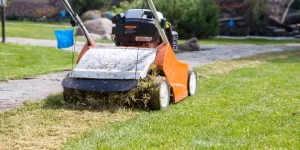
Pennsylvania lawns often sit on clay-heavy soils that compact easily from foot traffic, mowers, and rain. Compacted soil limits the flow of air, water, and nutrients to your grass roots. Aeration relieves this by punching small holes into the ground, loosening the soil, and helping your lawn breathe again.
2. Promotes Strong Root Growth
Cool-season grasses thrive in early fall. With the soil still warm and the air cooler, roots grow deep without the stress of summer heat. Aeration encourages roots to expand into the freshly opened soil space, making your lawn stronger for the seasons ahead.
3. Increases Resilience Year-Round
Aeration followed by overseeding helps your lawn stand up to Pennsylvania’s freezing winters and hot summers. A thicker, healthier root system holds moisture better, resists disease, and recovers faster after stress.
4. Fills in Bare or Thin Areas
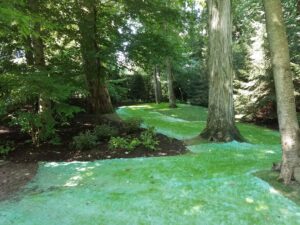
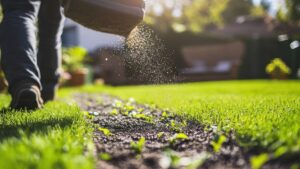
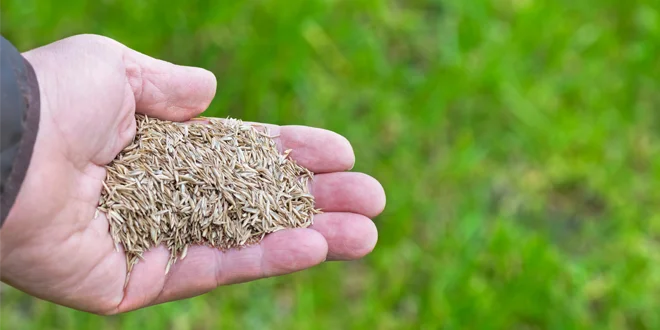
Overseeding right after aeration gives new seeds excellent contact with soil, especially in areas that have thinned out or gone bare. It fills in your lawn for a more uniform and lush look by spring.
5. Improves Overall Lawn Health
This double-service reduces thatch buildup, improves nutrient absorption, and boosts your lawn’s natural defenses. A dense, healthy lawn crowds out weeds and resists pests more effectively.
A single fall aeration and overseeding treatment can make your lawn look and perform better all year long.
Understanding Pennsylvania Lawn Conditions
Pennsylvania homeowners face specific challenges that make fall lawn care especially important. Local climate extremes, soil composition, and grass types all play a role in how lawns respond to seasonal changes. Recognizing these variables helps guide the right approach to fall maintenance for stronger results.
- Clay-heavy soil: Easily compacted, limiting root access to nutrients and water. This type of soil is common across Berks County and contributes to poor drainage and stunted root systems if not addressed.
- Cool-season grasses: Tall fescue, ryegrass, and Kentucky bluegrass grow best in fall’s ideal conditions. Fall’s mild daytime temperatures and cool nights create the perfect environment for germination and establishment.
- Autumn rainfall: Helps new seed germinate without requiring excessive irrigation. Consistent moisture, paired with cooler temps, supports healthy seedling development.
- Seasonal stress cycles: Harsh winters and humid summers put stress on lawns; fall recovery prepares them for both. Fall care allows the lawn to repair summer damage and fortify itself before the freezing months ahead.
- Weed and pest pressure: Weeds often exploit thin or stressed lawns. Thickening the turf through overseeding can naturally suppress weed growth and improve pest resistance.
If your lawn looks thin in summer or patchy after winter, now is the time to restore it with a proven strategy that matches local soil and climate conditions.
What to Do After Aeration and Overseeding
To ensure successful growth, proper care after aeration and overseeding is just as important as the service itself. The days and weeks that follow are critical for seed germination and root establishment. Even the best lawn treatments can fall short without the right follow-up. These simple but essential practices will help you protect your investment and get the lush, healthy lawn you’re aiming for:
- Water consistently: Keep the soil lightly moist for 10–14 days after seeding to encourage germination.
- Avoid heavy foot traffic: Let the new grass establish without disruption.
- Mow as needed: Once the new grass reaches about 3 inches, resume mowing without cutting it too short.
- Leave the soil plugs: Don’t rake them up. They’ll break down naturally and improve soil quality.
Why Choose Blades of Steel Landscaping?
We know Pennsylvania lawns. As a family-owned landscaping company based in Wernersville, PA, Blades of Steel Landscaping brings hands-on knowledge of Berks County soil conditions, cool-season grasses, and local climate challenges.
When you hire us, you get:
- Local expertise in aeration and overseeding
- Customized care for your property’s unique needs
- A lawn care partner who treats your yard like their own
We help homeowners throughout Wernersville, Reading, and nearby areas grow the lawn they’ve always wanted.
Ready for a Healthier Lawn This Fall?
Don’t miss your window to aerate and overseed. Schedule your fall lawn care with Blades of Steel Landscaping and enjoy a thicker, greener, healthier lawn come spring. Fall is the optimal season to rejuvenate your turf and set it up for success in the months ahead. With the right timing and professional care, you can avoid patchy grass and promote lasting root strength. You can reach us at (484) 706-9533, explore our Lawn Maintenance Services, and know that we proudly serve Wernersville, Reading, and all nearby Pennsylvania communities.