
Lawn pest control helps protect your grass from insects, disease, and other problems that can quickly turn healthy turf into thin, brown, or damaged areas. Our treatments focus on identifying what affects your lawn and choosing the right approach for the season and your property’s condition.
Pennsylvania lawns deal with changing temperatures, summer humidity, periods of heavy rain, and several turf-damaging pests throughout the growing season. A proactive plan can help catch problems earlier and give your grass a better chance to stay thick and healthy.
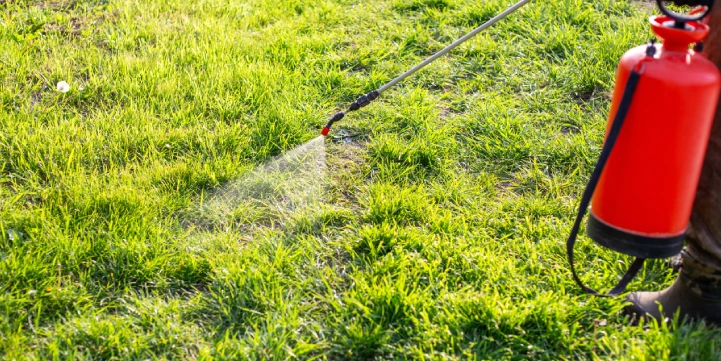
Protect Your Lawn From Pests and Disease
Lawn damage does not always have one simple cause. Brown areas may come from insects feeding below the soil, disease developing during humid weather, or environmental stress that weakens the turf and leaves it more vulnerable.
Our lawn pest control approach starts with assessing your grass before deciding what it needs. That helps us focus treatment where it makes sense rather than treating every lawn the same way.
Common warning signs can include:
- Brown, yellow, or thinning patches that continue to spread
- Loose or spongy turf that pulls away easily from the soil
- Increased insect activity across the lawn
- Birds or animals repeatedly digging through sections of turf
- Circular patches, unusual discoloration, or visible lawn disease
- Grass that continues declining despite regular watering and mowing
Lawn Pest Control Services for Pennsylvania Properties
Different pests become active at different points of the season. We evaluate the lawn, consider the timing of the problem, and recommend treatments based on what is happening across the property.
Grub Control
White grubs feed on grass roots below the soil, causing brown patches, loose turf, and weakened growth when populations become high. Preventive grub control can help protect vulnerable lawns before serious feeding begins, while existing damage may require targeted treatment based on the season and infestation severity.
Mosquito Treatment
Mosquitoes become more active as temperatures rise and moisture increases, especially around standing water, shaded areas, and dense vegetation. Our approach focuses on identifying areas that support mosquito activity and using targeted treatment and property management strategies to help reduce populations around outdoor spaces.
Tick Control
Ticks are commonly found around shaded lawn edges, wooded borders, leaf litter, and areas where turf meets taller vegetation. Targeted tick control focuses on these higher-risk areas while proper property maintenance can help reduce the conditions that allow ticks to remain active around the lawn.
Lawn Disease Treatment
Pennsylvania lawns can develop fungal diseases during periods of moisture, humidity, heat, and prolonged turf stress. We assess affected areas to help distinguish disease from insects, drought, and other lawn problems, then recommend treatment that supports healthier turf and addresses the conditions contributing to the issue.
Other Lawn-Damaging Insects
Surface-feeding and root-feeding insects can cause thinning, discoloration, and irregular patches that are sometimes mistaken for drought or disease. Identifying the specific pest helps us choose better treatment timing and protect healthy grass from further damage.
Pest Control That Follows Pennsylvania’s Seasons
Pest pressure changes throughout the year, so the right timing can make a major difference in preventing damage and treating active problems. Here is what Pennsylvania property owners should watch for as the seasons change.
Season | Common Lawn Concerns | What to Watch For |
Spring | Overwintering pests, early disease, winter damage | Thin areas, discoloration, weak turf, and early signs of insect activity |
Late Spring & Summer | Grubs, mosquitoes, ticks, and lawn disease | Increased insects, humid conditions, standing water, and spreading brown patches |
Late Summer & Early Fall | Active grub feeding and lingering disease | Loose turf, thinning grass, irregular brown areas, and animal digging |
Fall | Remaining pest damage and weakened turf | Damaged areas that may benefit from treatment, fertilization, aeration, or overseeding |
Combine Pest Control With Complete Lawn Health Care
Pest control works best when the lawn itself receives consistent care. Thick, properly maintained turf is better positioned to handle seasonal stress than grass that is already weak, compacted, or lacking nutrients.
We can coordinate pest management with services such as lawn fertilization, weed control, aeration, overseeding, lawn remediation, and ongoing lawn care. This gives your property a more complete plan, rather than treating one visible symptom at a time.
Why Choose Our Team for Lawn Pest Control?
Successful pest management starts with understanding what is actually damaging the lawn. Blades of Steel Landscaping evaluates the overall condition of the turf so treatment fits the problem instead of relying on a one-size-fits-all application.
Our lawn pest control approach can include:
- Targeted lawn inspections to identify visible pest or disease concerns
- Seasonal treatment planning based on pest activity and lawn conditions
- Grub and lawn insect management to help protect roots and turf growth
- Lawn disease support when fungal problems are affecting grass health
- Coordinated lawn care services including fertilization, aeration, and overseeding
- Local service experience with the seasonal challenges affecting Pennsylvania lawns
Our team can connect pest management with other lawn care services when your property needs more than one treatment. This makes it easier to address both the immediate problem and the conditions affecting long-term lawn health.
What Customers Say About Our Pest Control Work
The best pest control reviews show what changed after treatment, whether that means stopping grub damage, reducing recurring lawn problems, or making outdoor areas more comfortable.