Yes, if it’s late fall, you’re in the final window to fertilize your lawn before winter. There’s still time to give your lawn what it needs to stay strong through the cold and come back green and full in early spring. But you have to act now before the ground cools too much or growth stops completely.
Why Late Fall Fertilization Matters
As your lawn slows down on the surface, its roots are still working underground. This shift makes late fall the perfect time to focus on strengthening your turf below the surface. Late fall fertilization, often called “winterizer”, helps your lawn:
- Store nutrients for the dormant season
- Build stronger roots for better spring recovery
- Resist disease and weather stress
- Green up faster in early spring
Timing this treatment correctly can give your lawn a serious edge.
When to Apply the Final Fertilizer
For most areas with cool-season grasses, the ideal window is mid-October through early November—before the ground freezes but after top growth has slowed. Apply when:
- The grass is still green but no longer growing fast
- Daytime highs are in the 50s, nights above freezing
- The soil is not frozen and can still absorb nutrients
Fertilization timing can vary by region and grass type. If you’re unsure, we can help you pinpoint the right schedule for your lawn.
Key Winter Lawn Care Tasks to Do Now
Besides fertilizing, here’s what you should tackle before the first frost:
1. Mow One Last Time—Higher Than Usual
- Raise your mower deck slightly
- Taller grass protects roots and crowns from frost
- Avoid scalping the lawn
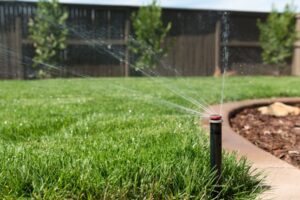
2. Reduce Watering and Winterize Irrigation
- Gradually cut back watering
- Shut off and drain irrigation systems
3. Clear Leaves and Debris
- Rake or mulch leaves regularly
- Keep lawns, walkways, and flower beds clean
What Kind of Fertilizer Should You Use?
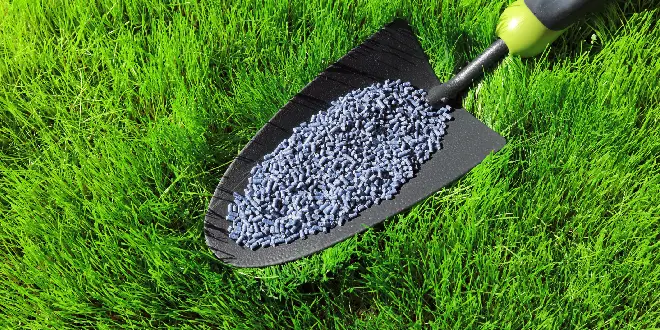
Not all fertilizers work in fall. Look for a winterizer formula that prioritizes root strength and long-term health. Choose a fertilizer with:
- Nitrogen (N): Fuels root energy reserves
- Potassium (K): Improves cold resistance and disease protection
- Low or no Phosphorus (P): Unless a soil test shows a need
Go with a slow-release formula to support your lawn through winter. Always follow product directions and consider doing a soil test first to avoid overapplication. Too much fertilizer can lead to runoff or damage, especially if the lawn is already dormant.
Grass Type Matters
Lawn care timing depends on what type of grass you have. These tips generally apply to cool-season grasses like fescue, ryegrass, or bluegrass. If you have warm-season grass like Bermuda or St. Augustine, your fertilization needs will differ. Not sure what kind of grass you have? Our team can evaluate your lawn and create a tailored plan.
Why It Pays Off in Spring
Even though the results aren’t immediate, your lawn will thank you when warmer weather returns. Spring benefits of late fall care:
- Faster green-up
- Thicker growth with fewer bare spots
- Stronger root system to resist pests and drought
- Fewer chemical treatments needed
Think of it as putting your lawn to bed with everything it needs to wake up strong.
Let Blades of Steel Landscaping Handle It
Our experts at Blades of Steel Landscaping, specialize in winter prep and know how to time treatments to your lawn’s unique needs. Our pros use premium fertilizers and proven techniques that work for Pennsylvania’s climate and soil.
Whether you need your final fertilizer application, fall cleanup, or help winterizing your irrigation system, we’ve got you covered. One quick visit now can set you up for months of success.
Call Now to Schedule Your Winter Lawn Services
Don’t miss the final window to protect your lawn before winter sets in. Contact us today to schedule fall fertilization and winter lawn prep in Wernersville, PA, and nearby neighborhoods. on. Contact us to get started.