
Water problems around your home often start small, then turn into bigger headaches. You may notice puddles that sit for days, mulch washing away, soggy turf, or runoff moving toward your foundation. These issues can damage your yard, weaken roots, and cause erosion that becomes costly to fix.
French drains solve the issue at the source by capturing water below the surface and redirecting it away from areas that cannot handle excess moisture. With the right slope, materials, and outlet location, a French drain system helps your yard dry faster and protects your property after heavy rain. Professional installation also ensures the drainage route accounts for the grade, soil conditions, and location of nearby outdoor features.
What Is a French Drain and How Does It Work?
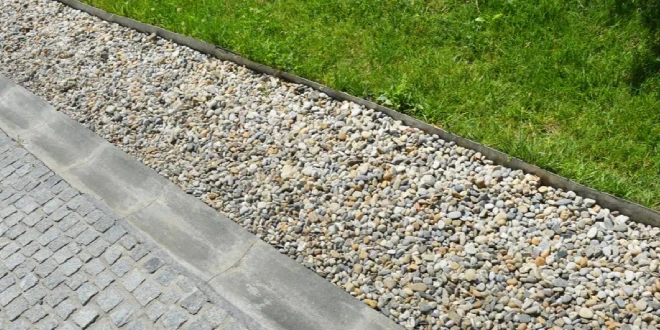
A French drain is an underground drainage system that collects excess water from saturated soil and redirects it away from problem areas. It typically uses a gravel-filled trench, filter fabric, and perforated pipe to move water toward a suitable discharge point, helping prevent pooling, erosion, and moisture buildup.
French drains control groundwater and runoff that collects under or across your lawn. When installed correctly, a French drain provides long-term yard drainage solutions rather than temporary surface fixes. It can also support healthier turf and plantings by reducing prolonged soil saturation after storms.
Signs Your Yard Needs a French Drain
Some drainage issues point to deeper water flow problems that grading alone cannot fix. These warning signs often show up repeatedly in the same areas after rainfall, particularly when water remains trapped in the soil or runoff collects near outdoor features. Addressing these conditions early can help prevent further erosion and landscape damage.
- Standing water that stays for 24–48 hours
- Soggy turf or muddy sections that never fully dry
- Soil erosion near slopes or low spots
- Mulch or stone shifting after storms
- Water collecting near patios, walkways, retaining walls, or the foundation
- Repeated dampness along the lower side of a sloped property
Schedule a Drainage Evaluation
Benefits of French Drain Installation for Berks County Properties
French drains improve drainage performance from below the surface and reduce ongoing water damage. By redirecting excess water, this service protects landscaping features and helps your yard stay clean and usable throughout the season. Properties with clay-heavy soils or runoff from surrounding slopes may especially benefit from a properly planned drainage system. French drains can also complement other hardscaping services by helping manage water near patios, walkways, and retaining walls.
- Reduces pooling water and muddy areas
- Helps protect the foundation from repeated moisture buildup
- Limits erosion and washout after heavy rain
- Helps grass and plants grow in more stable soil
- Improves yard usability and curb appeal
- Helps protect nearby outdoor features from water-related shifting and deterioration
Our French Drain Installation Process
A drainage system must follow the way water naturally moves across your property. We begin by examining the affected areas, surrounding slopes, soil conditions, and possible discharge locations before recommending a drainage route. Our installation process focuses on proper trench dimensions, consistent slope, suitable drainage materials, and careful restoration of disturbed areas.
Drainage Evaluation & Route Planning
We evaluate the property to identify where excess water originates, where it collects, and how it moves across the yard. Based on the surrounding slopes, soil conditions, and nearby outdoor features, we plan the drainage route and identify a suitable discharge point.
Trench Excavation & Proper Slope
We excavate the trench along the planned route, with typical residential French drains measuring approximately 18–24 inches deep and 9–12 inches wide, depending on site conditions. A commonly used minimum slope guideline is about 1 inch of drop for every 10 feet of pipe to help water flow toward the outlet.
Filter Fabric, Drainage Stone & Perforated Pipe
We prepare the trench with drainage fabric and stone before installing the perforated pipe, typically with the holes facing downward to help collect water through the gravel bed. The surrounding drainage stone allows water to move toward the pipe, while the filter fabric helps reduce soil intrusion and sediment buildup.
Discharge Point & Lawn Restoration
We connect the drainage system to an appropriate discharge point, such as a daylight outlet or pop-up emitter, and verify the direction of water flow. Once installation is complete, we backfill the trench and restore disturbed lawn and planting areas as neatly as possible.
French Drains vs. Other Drainage Solutions
Different drainage problems require different systems depending on where water originates and how it moves across the property. While French drains manage moisture beneath the soil, other drainage solutions collect surface runoff or redirect water from specific sources. Understanding these differences helps determine which system is appropriate for your yard.
French Drain vs. Drain Box (Catch Basin)
A French drain collects excess water beneath the surface, making it useful for soggy lawns and saturated soil. A drain box, also called a catch basin, collects surface water through an inlet in a low area where runoff gathers.
French Drain vs. Channel Drain
French drains manage water moving through saturated soil, while channel drains capture runoff flowing across paved surfaces. Channel drains are commonly installed near driveways, patios, and walkways where water needs to be intercepted before spreading into surrounding areas.
Pairing French Drains With Downspout Burials
Downspout burials carry roof runoff through underground piping to a suitable discharge point, helping prevent water from collecting near the foundation. When a property experiences both roof runoff and saturated soil, a French drain and buried downspout system may be included in the same drainage plan.
How Much Does French Drain Installation Cost?
French drain installation costs depend on the size of the drainage problem, the length of the system, and the conditions of your property. Since every yard has different slopes, soil conditions, and existing features, the final price depends on the materials, excavation requirements, and discharge method involved.
- Drain length: Longer drainage routes require more perforated pipe, drainage stone, and filter fabric. They also increase the amount of excavation and labor needed.
- Trench depth and width: Deeper or wider trenches require additional excavation and drainage materials. The appropriate dimensions depend on the soil conditions and amount of water being managed.
- Soil conditions: Rocky, compacted, or clay-heavy soil can make excavation more difficult. These conditions may require additional labor or adjustments to the installation plan.
- Existing landscaping and hardscaping: Patios, walkways, retaining walls, and planting beds can affect the drainage route. Working around these features may require additional planning and restoration.
- Discharge method: A daylight outlet, pop-up emitter, or dry well may involve different materials and installation requirements. The appropriate option depends on the property’s grade and available discharge locations.
- Property accessibility: Limited equipment access can affect excavation and material handling. Narrow spaces and obstacles may require additional labor.
French Drain Contractors Serving Reading & Berks County
Blades of Steel Landscaping installs French drains using a careful layout process informed by local water patterns and property conditions. We focus on correct pitch, proper use of drainage fabric, and clean outlet planning so the system works during real storms, not just light rainfall. We also consider how the drainage work will affect your lawn, planting areas, and nearby outdoor features so the completed system fits the property.
Getting started is simple and straightforward:
- Schedule a drainage evaluation
- Receive a clear plan based on your yard’s runoff patterns
- Complete installation at the right time for long-term performance