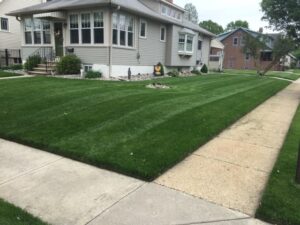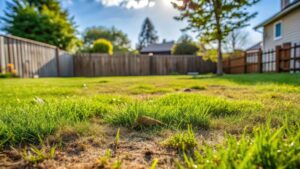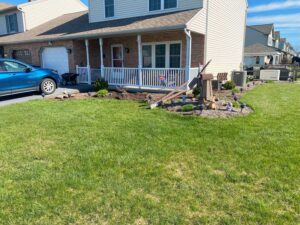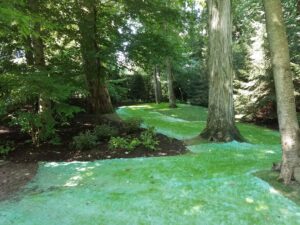
You’re standing in your yard on a Saturday morning, coffee in hand, looking at your neighbor’s lush, green lawn while yours looks more like a patchwork quilt of yellow spots and bare patches. The truth is, fertilization isn’t just about keeping up with the neighbors; it’s about providing your grass with the essential nutrients it needs to thrive. Without proper fertilization, your lawn will struggle to maintain its health, color, and density, resulting in weak grass that’s vulnerable to weeds, diseases, and weather stress. This guide will walk you through everything you need to know about lawn fertilization and why it’s absolutely essential for a healthy, beautiful yard.
Why Lawn Fertilization is the Foundation of Healthy Grass
Fertilization is essentially feeding your lawn the nutrients it needs to grow strong and healthy. Just like you need a balanced diet to function at your best, grass needs specific nutrients – primarily nitrogen, phosphorus, and potassium – to develop deep roots, maintain vibrant color, and resist environmental stresses. These nutrients naturally exist in soil, but they get depleted over time through normal grass growth, weather conditions, and foot traffic.
Without regular fertilization, your lawn becomes malnourished and weak, making it an easy target for weeds, pests, and diseases. A well-fertilized lawn develops a thick, dense growth pattern that naturally crowds out weeds and creates that carpet-like appearance every homeowner dreams of. Understanding this fundamental need for nutrients helps explain why some lawns thrive while others barely survive.
The Hidden Risks of Skipping Lawn Fertilization
Many homeowners believe they can save money and effort by skipping fertilization, but this approach often leads to more significant problems down the road. Your grass will gradually weaken, creating the perfect conditions for weeds to take over and diseases to spread throughout your yard. What starts as a simple maintenance task becomes a costly restoration project when neglect catches up with your lawn. Here are the main risks you face when you don’t fertilize your lawn:
- Weed invasion: Weak grass can’t compete with aggressive weeds like dandelions and crabgrass
- Disease susceptibility: Malnourished grass is more prone to fungal infections and brown patch disease
- Thin, patchy growth: Your lawn develops bare spots that expand over time
- Poor color retention: Grass loses its vibrant green color and appears dull or yellowish
- Reduced drought tolerance: Unfertilized grass struggles more during dry periods
- Increased pest problems: Weak lawns attract grubs and other harmful insects
The reality is that avoiding fertilization doesn’t save you money in the long run. You’ll end up spending more on weed control treatments, disease management, and potentially even lawn renovation when the damage becomes too severe to ignore.
What Happens if I Never Fertilize My Lawn?
If you completely avoid fertilizing your lawn, you’re essentially starving it of essential nutrients that it can’t get elsewhere. Over the first year or two, you might notice your grass becoming lighter in color and growing more slowly, but the real damage happens gradually as the root system weakens. The grass will become increasingly thin and patchy, creating perfect opportunities for weeds to establish themselves and take over large sections of your yard.
Eventually, your unfertilized lawn will transform from a lush green space into a collection of weeds, bare soil, and struggling grass patches. The few remaining grass plants will be weak and shallow-rooted, unable to withstand normal foot traffic, weather stress, or seasonal changes. At this point, you’ll likely need professional help from a landscaping contractor to restore your yard, which costs significantly more than regular fertilization would have.
Clear Signs Your Lawn Needs Fertilization
Recognizing when your lawn needs fertilization can help you address problems before they become significant issues. Your grass will actually communicate its nutritional needs through various visual cues, and learning to read these signs can save you from costly lawn problems later. The key is catching these warning signs early, before your lawn reaches a critical state that requires intensive restoration efforts.
- Pale or yellowing grass: Healthy grass should be deep green, not light green or yellow
- Slow growth patterns: If your grass barely grows between mowing sessions
- Thin or sparse areas: Sections where you can easily see the soil through the grass
- Increased weed presence: More dandelions, clover, or crabgrass appearing in your yard
- Poor recovery from stress: Grass that doesn’t bounce back after foot traffic or dry spells
- Dull, lackluster appearance: Your lawn looks tired and lacks that vibrant, healthy glow
Don’t wait until these problems become severe before taking action. Early intervention with proper fertilization can quickly restore your lawn’s health and prevent more serious issues from developing.
Benefits of Proper Fertilization in Pennsylvania
Pennsylvania’s climate presents unique challenges for lawn care, characterized by cold winters, humid summers, and varying soil conditions throughout the state. Proper fertilization helps your grass develop the strength it needs to handle these seasonal extremes while maintaining consistent growth and color throughout the growing season.
When you invest in regular fertilization, you’re essentially giving your lawn the tools it needs to thrive in Pennsylvania’s specific environmental conditions. Here are the key benefits you’ll see from consistent lawn fertilization:
- Thicker, denser grass growth that naturally prevents weed establishment
- Enhanced drought resistance during Pennsylvania’s occasional dry summer periods
- Improved winter hardiness to survive harsh Northeast winters
- Faster recovery from foot traffic, pets, and seasonal stress
- Richer, deeper green color that lasts throughout the growing season
- Better disease resistance against common Pennsylvania lawn diseases
Regular fertilization transforms your property into a source of pride rather than frustration. You’ll spend less time worrying about brown spots, weeds, and thin areas, and more time enjoying your beautiful outdoor space.
Blades of Steel: The Lawn Care Experts You Need
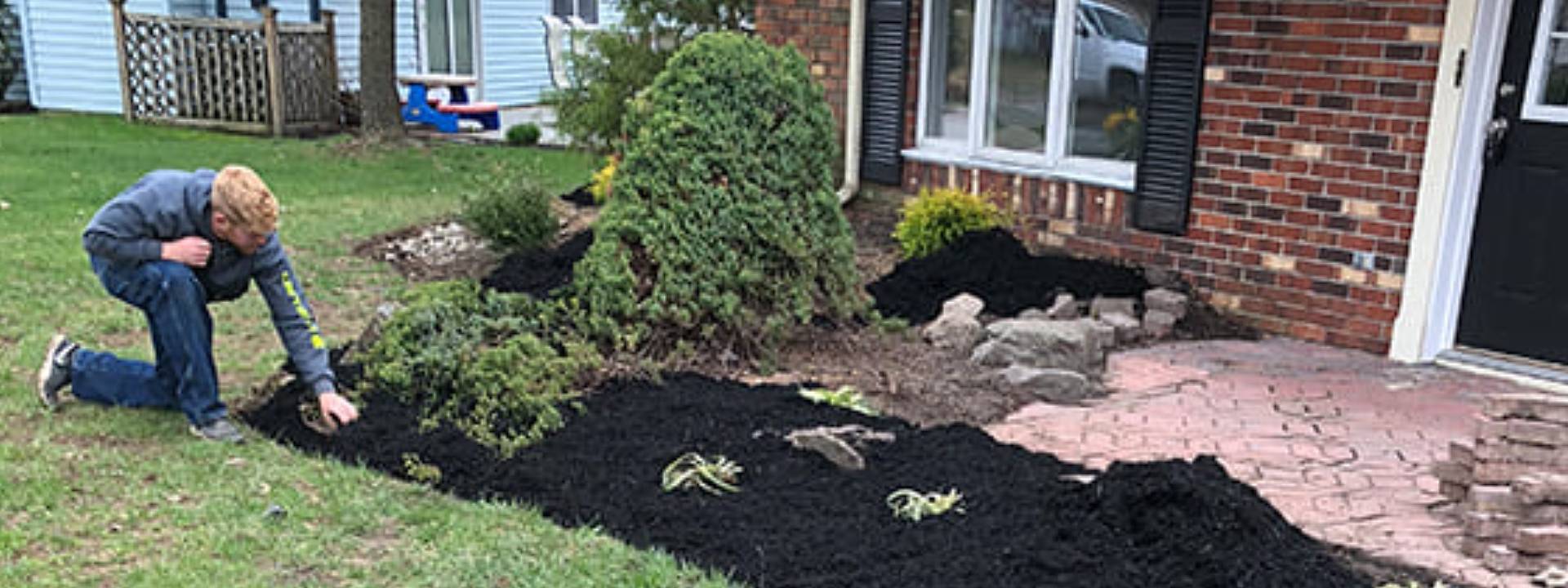
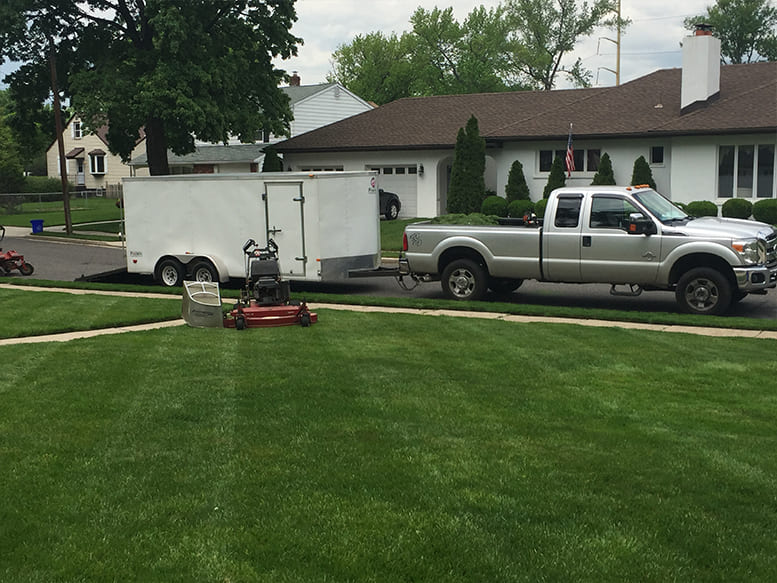
When it comes to professional lawn fertilization in Pennsylvania, you need a landscaper who understands local conditions and has the experience to deliver real results. Blades of Steel has been helping homeowners achieve the lush, healthy lawns they’ve always wanted through expert fertilization programs tailored to Pennsylvania’s unique climate and soil conditions.
Our team of experienced professionals knows exactly what your lawn needs to thrive, regardless of its current condition or the specific challenges of your property. Here’s how our proven fertilization process works:
- Comprehensive lawn assessment: We evaluate your soil conditions, grass type, and current health status to create a customized fertilization plan tailored to your specific needs.
- Professional application: Our certified technicians apply the right nutrients at the optimal times using commercial-grade equipment and premium fertilizers.
- Ongoing monitoring: We track your lawn’s progress and adjust our approach as needed to ensure continuous improvement and long-term health.
Transform Your Lawn Today with Professional Fertilization
Your lawn deserves better than struggling through another season of thin growth, yellow patches, and weed invasion. Professional fertilization isn’t an expense – it’s an investment in your property’s beauty, value, and your own peace of mind when you look out at your yard.
The difference between a properly fertilized lawn and one that’s been neglected is dramatic, and the good news is that it’s never too late to start giving your grass the care it needs. Contact us today to schedule your lawn assessment and discover how our expert fertilization services can transform your property into the lush, green space you’ve always envisioned.