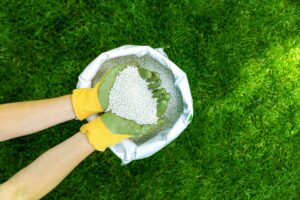
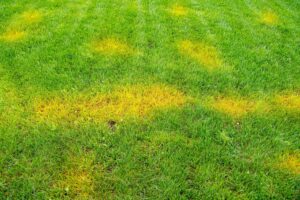
Every weekend, homeowners face the same dilemma: your grass needs cutting, and it’s time for fertilizer. Which comes first? This timing puzzle affects millions of homeowners every season. Make the wrong choice, and you could waste expensive fertilizer or stress your grass when it needs nutrients most. Here’s the answer: always mow before you fertilize. However, understanding the complete process requires more detail than this simple rule.
The Science Behind Mowing First
Cutting your grass before feeding it creates ideal conditions for nutrient absorption. Consider it like preparing a canvas before painting; you want the cleanest, most receptive surface possible. Your fertilizer reaches the root zone more effectively when the grass is properly trimmed, as tall blades create a canopy that blocks granules from reaching the soil. Accumulated debris also disappears during pre-fertilization mowing, removing leaves, dead grass, and organic buildup that form barriers preventing fertilizer contact with soil. Professional landscaping contractors understand this preparation step separates average lawns from exceptional ones.
Properly cut grass directs energy toward root development rather than blade growth. This focus yields stronger, more drought-resistant turf that retains its color and thickness even in challenging weather conditions. When you trim first, nutrients travel directly to where grass roots can absorb them, maximizing the effectiveness of your fertilizer investment.
Essential Pre-Application Preparation
Success starts with proper lawn preparation before you even start your mower. Many homeowners rush into cutting without considering these crucial preliminary steps, which often leads to uneven results and wasted effort. Taking just a few minutes to assess your lawn’s condition and prepare the area properly can mean the difference between mediocre fertilizer absorption and outstanding nutrient uptake. Think of this preparation phase as laying the foundation for everything that follows in your lawn care routine.
- Measure your current grass height carefully. Most varieties perform best when maintained at a height of 2.5 to 3.5 inches before fertilizer application. Significantly longer grass requires gradual reduction over multiple cutting sessions.
- Remove surface obstacles completely. Walk your entire property and collect sticks, toys, and debris. Clean surfaces allow for even mowing and uniform fertilizer distribution.
- Evaluate soil moisture conditions before starting. Grass should be dry for cutting, but soil needs adequate moisture for nutrient absorption. Light watering the day before fertilization helps if conditions are very dry.
- Maintain sharp cutting equipment at all times. Dull blades tear grass rather than cutting cleanly, creating stress precisely when you want grass in optimal condition. Any landscape designer will emphasize this detail affects final results significantly.
Determining Proper Cutting Height Before Application
Getting height correct combines science with practical lawn care knowledge. The relationship between grass blade length and nutrient absorption isn’t just theory; it’s been proven through decades of turf research and field experience. Too short, and you stress the grass when it needs energy most; too long, and fertilizer can’t reach the soil effectively.
- Follow the one-third-cutting rule religiously. Remove no more than one-third of the total blade length in any single session. A 4-inch lawn should be cut to approximately 2.7 inches maximum.
- Different grass varieties require specific height management. Cool-season types like fescue and bluegrass thrive at 2.5 to 3.5 inches. Warm-season grasses such as Bermuda can be maintained shorter, typically 1.5 to 2.5 inches.
- Summer conditions influence optimal cutting height decisions. During hot months, maintain grass slightly taller to protect root systems from heat stress and help the soil retain moisture longer.
Can You Cut Grass After Fertilizer Application?
This common question has a clear answer: avoid mowing immediately after fertilizing. Here’s why patience pays off. The urge to continue with your weekend lawn care routine is understandable, but rushing this step can undo all the effort you just put into feeding your grass. Understanding what happens during those first crucial hours after fertilizer application will help you resist the temptation to fire up that mower too soon.
- Fresh fertilizer gets disrupted by mowing equipment. Granules sitting on grass blades scatter or collect in mower bags before dissolving into the soil, where they provide benefits.
- Watering requirements create wet grass conditions. Many fertilizers need moisture activation after application, making immediate mowing inadvisable for both lawn health and equipment safety.
- Nutrient absorption requires undisturbed time. Grass needs several hours to begin processing applied nutrients before experiencing mowing stress.
Optimal Waiting Period After Fertilizer Application
The ideal waiting time is 24 to 48 hours following fertilization. Day one involves fertilizer application during the morning hours, after dew has evaporated, which allows nutrients to begin working before the afternoon heat arrives. Day two includes light watering if rainfall doesn’t occur naturally; however, always check the specific product instructions for watering requirements and timing. Day three or later allows the resumption of regular cutting schedules, as, by this point, fertilizer has dissolved and begun working into the soil system.
Weather conditions affect this timeline significantly. Extremely hot or dry conditions require the whole 48-hour waiting period, while mild, humid weather typically allows 24-hour intervals. Any experienced landscaper will confirm that patience during this period produces more even, effective results across your entire property.
Fertilizer Granules and Mowing Equipment Interaction
Mowing too soon after fertilization creates several problems. These issues aren’t just minor inconveniences; they can significantly reduce the effectiveness of your fertilizer investment and cause lasting damage to your lawn’s health. Understanding exactly what happens when you cut grass before fertilizer has time to work will help you avoid these costly mistakes.
- Moisture causes granules to adhere to grass blades. Morning dew or recent watering makes fertilizer stick to wet surfaces, where mowing equipment collects it.
- Uneven nutrient distribution results from premature cutting. Areas where the equipment removes granules, receive insufficient nutrition, creating patchy growth patterns.
- Financial waste occurs when fertilizer ends up in collection bags. Nutrients in your grass catcher provide no benefit to your lawn’s health or appearance.
The solution involves following the proper sequence timing: cut first, fertilize second, and wait before cutting again. This simple three-step process prevents all the problems mentioned above while maximizing the effectiveness of your fertilizer. Once you establish this routine, it becomes second nature and eliminates the guesswork from your lawn care schedule.
Granular Versus Liquid Fertilizer Timing Differences
The type of fertilizer influences your mowing schedule significantly. Different formulations absorb into the soil at different rates, which directly affects how long you need to wait before resuming your cutting routine. Knowing which type you’re using helps you plan your weekend lawn care activities more effectively and avoid timing mistakes that reduce results.
- Granular products require dissolution time before becoming available to the grass. The 24-48 hour waiting period is most critical with these formulations. They also forgive minor timing mistakes better than liquid alternatives.
- Liquid applications absorb more quickly but remain sensitive to disruption. These products require at least 24 hours of undisturbed time, and wet grass conditions must be completely avoided.
- Slow-release formulations provide greater timing flexibility while still benefiting from proper application sequence. These products work over extended periods, making initial application timing crucial for long-term success.
Professional Timing Coordination Benefits
Working with a landscaping contractor provides significant advantages. Professional lawn care teams have spent years perfecting the timing and coordination between mowing and fertilization, eliminating the trial-and-error period that costs homeowners time and money. Their experience with local climate conditions and grass varieties means they can adapt timing schedules to your specific property’s needs rather than following generic guidelines.
- Perfect timing coordination eliminates guesswork completely. Professionals plan cutting and fertilization schedules together to ensure optimal results every time.
- Commercial equipment produces superior results. Professional spreaders distribute fertilizer more evenly while properly maintained mowers cut cleanly and consistently.
- Grass-specific treatment knowledge ensures appropriate timing for your particular variety. Different types have unique requirements that experienced professionals understand thoroughly.
- Weather monitoring capabilities help avoid application mistakes. Professionals track forecasts to prevent fertilizing before heavy rain or during drought stress periods.
Sometimes, the smartest approach involves letting experts handle timing and application. Consider professional help when you encounter these situations. Recognizing when you’ve reached the limits of DIY lawn care can save you time, money, and frustration while protecting your investment in your property.
- Persistent lawn problems despite consistent effort indicate the need for professional diagnosis and treatment plans.
- Large property areas become time-consuming to maintain properly without commercial equipment and efficiency.
- Special occasions or property value considerations require guaranteed results that professionals can deliver reliably.
- Uncertainty about grass type identification and specific care requirements benefits from expert knowledge.
A qualified landscape designer creates comprehensive year-round maintenance plans that eliminate timing guesswork completely. These advantages combine to deliver consistently better results than most homeowners achieve on their own. When you consider the cost of fertilizer, equipment maintenance, and potential lawn damage from timing mistakes, professional services often prove more economical than the do-it-yourself approach.

Professional Results Without Professional Complexity
At Blades of Steel Landscaping, we eliminate the complexity and guesswork from lawn care timing decisions. Our experienced team understands exactly when to cut when to fertilize, and how to coordinate everything for maximum effectiveness. Whether you need one-time service or comprehensive year-round maintenance, we bring the expertise and equipment necessary to keep your lawn at its absolute best throughout every season.
Ready to stop worrying about timing decisions and start enjoying your perfect lawn? Contact Blades of Steel Landscaping today for a consultation that will elevate your property from ordinary to outstanding.