If you’re noticing small holes, torn-up grass, or brown patches across your yard, lawn grubs could be the reason skunks are digging up your lawn. These underground pests feed on grass roots, weakening the turf and making it easier for animals to tear apart. For homeowners in Berks County, PA, repairing grub damage in the fall and planning preventive treatment for next summer can help restore a healthier, stronger lawn.
Why Skunks Dig Up Lawns in Berks County
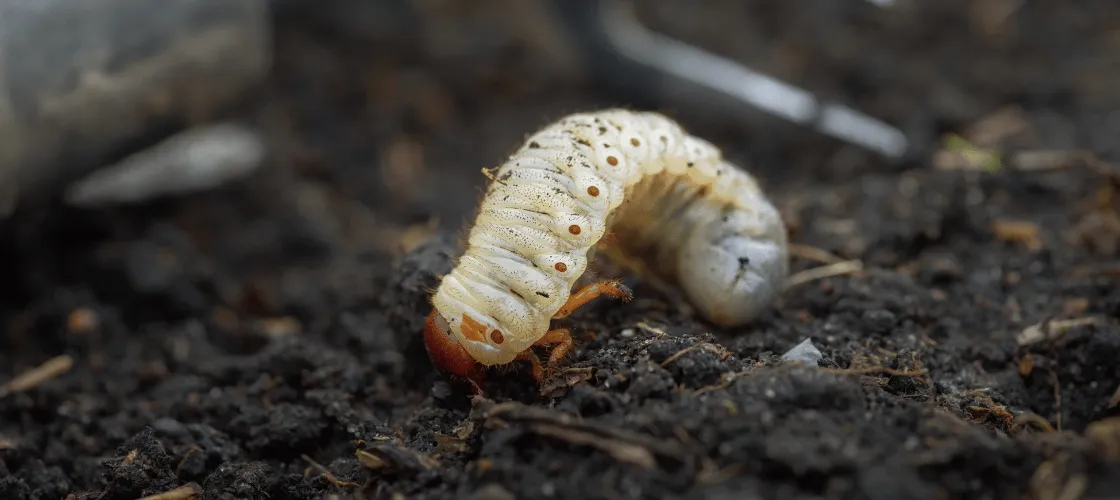
Skunks dig through lawns searching for insects, earthworms, and white grubs beneath the soil. Grubs are the larvae of beetles, including Japanese beetles and masked chafers, that feed on grass roots during certain stages of their life cycle. When populations become large, the turf weakens, making it easier for skunks to disturb the grass.
However, skunk digging doesn’t always mean your lawn has grubs. These animals also search for other soil-dwelling insects, so identifying the actual cause is important before applying any treatment.
Common Signs of Grub Damage in Your Lawn
Grub damage often becomes noticeable in late summer and early fall when young grubs actively feed near the soil surface. Unlike normal drought stress, heavily damaged grass may separate easily from the ground because its roots have been eaten away.
Watch for these warning signs:
Brown or yellow patches: Areas of grass begin thinning or dying despite adequate watering.
Loose or spongy turf: Damaged grass can sometimes be lifted like a carpet.
Small holes in the lawn: Skunks, raccoons, and birds may disturb the grass while searching for insects.
Visible white grubs: Cream-colored, C-shaped larvae appear in the soil beneath affected areas.
Weak grass growth: Damaged roots make it difficult for the turf to recover.
To check for lawn grubs, carefully lift a small section of damaged turf and examine the upper few inches of soil. Finding a few grubs doesn’t necessarily indicate a serious infestation, but visible root damage combined with larger populations may require treatment.
Our lawn pest control services can help address insect problems affecting your grass and reduce the risk of further lawn damage.
How to Repair Grub Damage Before Winter
Fall offers an opportunity to restore damaged cool-season lawns in Berks County, particularly while soil temperatures still support grass growth. However, the best repair method depends on how much of the existing turf remains healthy and whether grubs are still actively feeding.
1. Identify and Address Active Grubs
Before beginning repairs, check whether grubs are still feeding beneath the grass. Active infestations may require targeted pest control to prevent further root damage, although treatment effectiveness depends on the season and soil conditions.
2. Restore Torn and Damaged Turf
Small sections of grass disturbed by skunks may recover when repositioned and watered. Areas with extensive root damage may require reseeding or new sod to replace dead grass.
Our lawn care services can help address damaged turf and improve the overall condition of your lawn.
3. Aerate and Overseed Thin Areas
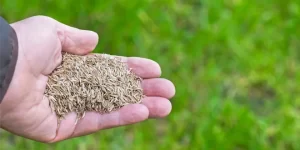
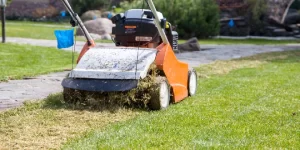
Where existing grass remains viable, aeration and overseeding can help improve turf density. Aeration reduces soil compaction and improves the movement of air, water, and nutrients into the root zone, while overseeding helps fill thinning areas.
These services can support lawn recovery when completed during suitable growing conditions. If the weather has already become too cold for successful seed establishment, repairs may need to wait until spring.
When to Treat for Grubs in Pennsylvania
Proper timing is essential for effective grub control because these insects move through different stages of development throughout the year. Preventive treatments target young grubs before extensive feeding damage occurs, while curative treatments address an existing infestation.
Season
Grub Activity and Treatment Approach
Spring (April–May)
Overwintered grubs may feed near the surface. Inspect existing damage and begin preventive planning.
Early Summer (June–July)
Adult beetles emerge and lay eggs. This is an important preventive treatment window for many products.
Late Summer (August–September)
Young grubs actively feed on grass roots. This is generally the preferred period for assessing and treating active infestations.
Fall (October–November)
Grub activity decreases as soil temperatures drop. Assess damage and focus on appropriate repairs.
Treatment timing depends on the grub species, product, and weather conditions. Some preventive treatments are applied in spring, while others are commonly applied in June or July. Curative treatment becomes less reliable as grubs mature and move deeper into the soil.
For homeowners dealing with recurring infestations, planning professional grub control before the next summer season can help reduce the risk of additional damage.
How to Prevent Grub Damage Next Summer
Repairing your lawn addresses the damage that’s already visible, but prevention helps reduce the chances of facing the same problem next year. A seasonal grub control plan works best when treatment decisions are based on previous infestations, lawn conditions, and insect activity.
Here are several ways to protect your turf:
Plan preventive grub treatments: Schedule applications according to local grub activity and recommended product timing.
Monitor summer lawn conditions: Watch for early thinning, discoloration, and unusual animal digging.
Maintain proper mowing and watering: Healthy turf is better able to tolerate stress and recover from minor damage.
Follow a balanced fertilization program: Proper nutrients support root development and consistent grass growth.
At Blades of Steel Landscaping, our lawn fertilization services help support healthier grass throughout the growing season. Combined with appropriate pest management and regular maintenance, fertilization can help your lawn remain stronger against seasonal stress.
Your Go-To Team for Grub Control and Lawn Repair in Berks County
At Blades of Steel Landscaping, we understand how frustrating it can be to see your grass damaged by grubs and digging animals. As a family-owned landscaping company, we provide lawn pest control, fertilization, aeration, overseeding, and lawn care services to help homeowners maintain stronger, healthier turf.
We serve homeowners throughout Berks County, including Wernersville, Reading, Shillington, and Sinking Spring. Whether your property needs grub management or repairs to restore bare and thinning areas, our team can help determine the right approach for your lawn.
Restore Your Lawn and Protect It From Future Grub Damage
Skunk digging and grub damage can leave your lawn thin, uneven, and unhealthy, but timely repairs and preventive care can make a significant difference. Whether your property needs grub management, reseeding, or additional lawn maintenance, we can help restore damaged turf and prepare it for the next growing season.
Contact us today to request a free estimate for professional grub control and lawn repair in Berks County, PA.