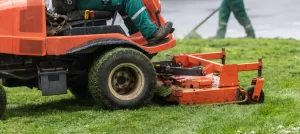
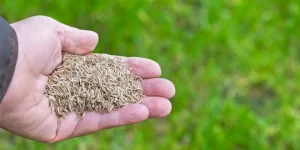
A good lawn mowing schedule in Pennsylvania depends on weather, grass growth, and the season. In Berks County, most lawns start growing again in spring when temperatures warm up and continue growing into fall until colder weather slows the turf down. Knowing when to start, how often to mow, and when to make the last cut can help your lawn stay cleaner, thicker, and healthier from one season to the next.
Blades of Steel Landscaping provides lawn care and landscaping services in Berks County, including mowing, trimming, seasonal cleanups, fertilization, and related maintenance services. Penn State Extension recommends mowing regularly while the grass is growing and avoiding cuts that remove too much of the grass blade at once.
When Should You Start Mowing Your Lawn in Pennsylvania?
Most Pennsylvania homeowners can start mowing in early to mid-spring, but the exact timing depends on the lawn. A better rule is to mow when the grass is actively growing and tall enough for a clean cut. If the grass still looks thin, wet, or dormant, it is better to wait a little longer.
In Berks County and nearby areas, the first mow often happens sometime in April. Some years may start earlier if spring warms up fast, while cooler or wet springs may delay mowing. The goal is not to rush the first cut, but to avoid letting the grass get too tall and messy.
Signs Your Lawn Is Ready for the First Cut
Before you mow for the first time, check the lawn closely. The grass should be green, upright, and growing evenly across most of the yard. The soil should also be firm enough that the mower will not leave ruts.
Good signs that your lawn is ready include:
Grass is actively growing.
The lawn is mostly dry.
The soil is not soft or muddy.
The grass is tall enough to cut without scalping.
Spring cleanup debris has been removed.
How Often Should You Mow a Lawn in PA?
Most lawns in Pennsylvania need mowing once a week during strong spring growth. In late spring, some lawns may need mowing more often if rain and fertilizer push faster growth. During hot or dry summer weather, mowing may slow down because the grass grows less.
A good lawn mowing routine in Berks County should follow the lawn, not just the calendar. If the grass is growing fast, mow more often. If it is stressed by heat or drought, mow less often and avoid cutting it too short.
A Simple Pennsylvania Lawn Mowing Schedule
Here is a general mowing schedule that works for many Pennsylvania lawns:
Season
Mowing Guidance
Early Spring
Start mowing once the grass begins active growth.
Late Spring
Mow weekly or as needed during fast growth.
Summer
Mow less during heat or dry weather.
Early Fall
Mow regularly again as cooler weather returns.
Late Fall
Keep mowing until the grass stops growing.
Winter
Stop mowing once the lawn is dormant.
This schedule can change based on rain, shade, soil conditions, grass type, and the overall health of your lawn.
What Height Should You Cut Your Lawn?
Most lawns should not be cut too short. Cutting too low can weaken the grass, expose the soil, and make it easier for weeds to spread. A slightly taller lawn also helps shade the soil and protect the root system during stressful weather.
A common rule is to avoid removing more than one-third of the grass blade in one mowing. For example, if the lawn is 4.5 inches tall, avoid cutting it shorter than about 3 inches in one pass. This helps reduce stress and keeps the lawn looking more even.
When Should You Stop Mowing Your Lawn in PA?
You should stop mowing your lawn in Pennsylvania when the grass stops growing for the season. This usually happens in late fall, often around late October or November in many parts of the state. The exact timing depends on frost, soil temperature, rainfall, and local weather patterns.
The last mow of the season in Pennsylvania should happen before winter dormancy, but not too early. If you stop mowing while the grass is still growing, the lawn may go into winter too tall. Tall, matted grass can trap moisture, hold leaves, and create problems before spring.
How Short Should the Last Mow Be?
The final cut should be a little lower than your normal growing-season height, but it should not scalp the lawn. The goal is to leave the grass neat, clean, and ready for winter. Cutting too short can expose the crown of the plant and make the lawn more vulnerable to cold stress.
For many cool-season lawns, a final height of around 2.5 to 3 inches can work well. If the grass is very tall, do not cut it down all at once. Lower the height gradually over two mowings so the lawn does not get shocked before winter.
What to Do Between the Last Cut and Spring
The time between the last mow and spring is important. A lawn may look quiet in winter, but fall cleanup and winter prep can affect how it comes back when warm weather returns. A few simple steps can reduce damage and help the yard start the next season cleaner.
After the last cut, focus on:
Removing heavy leaf piles
Cleaning up sticks and debris
Keeping walkways and lawn edges clear
Avoiding heavy traffic on frozen or wet turf
Planning spring cleanup and lawn care early
Leaves are one of the biggest issues after the final mow. A light layer may break down, but thick leaves can block sunlight and trap moisture. Clearing them helps reduce matting and gives the lawn a better chance to breathe before winter.
Should You Fertilize After the Last Mow?
Late-season lawn care can be helpful when it is timed correctly. Fertilization, cleanup, and soil support can help the lawn store energy before winter. However, the right approach depends on the lawn’s condition, the weather, and what treatments have already been applied.
This is where professional lawn care can make a difference. A local team can assess the lawn, identify weak areas, and recommend the right seasonal plan. That helps avoid guessing and gives the lawn better support before spring growth begins.
Lawn Mowing Tips for Berks County Homeowners
Mowing seems simple, but small habits can make a big difference. A clean cut helps the lawn recover faster and look better between visits. Poor mowing habits can cause uneven color, weak roots, and stressed turf.
Use these lawn mowing tips in Berks County to protect your yard:
Mow when the grass is dry.
Keep mower blades sharp.
Avoid cutting too short.
Change mowing direction when possible.
Do not mow muddy or frozen turf.
Clear leaves before they smother the lawn.
Adjust mowing frequency based on growth.
Why Professional Lawn Mowing Helps
Professional mowing keeps the lawn on a better routine throughout the growing season. It also helps homeowners avoid common timing mistakes, especially during spring growth, summer heat, and late fall cleanup. A consistent plan can keep the property looking clean while supporting healthier turf.
Blades of Steel Landscaping provides lawn care and landscaping services for homeowners seeking dependable outdoor maintenance in Berks County. Their services can help with mowing, trimming, seasonal cleanup, fertilization, and other lawn needs. With the right team, your yard can stay cleaner, healthier, and easier to manage from spring through the final cut of the year.
Get Help With Your Berks County Lawn Mowing Routine
A good mowing schedule keeps your lawn cleaner, healthier, and easier to manage from spring through the last cut of the season. Blades of Steel Landscaping can help with mowing, trimming, seasonal cleanup, and lawn care services across Berks County. Contact us today to keep your yard on the right schedule.