If you live in Berks County, the best time to apply spring pre-emergent is usually late March through April, before crabgrass starts to germinate. In Reading, Shillington, Sinking Spring, Ephrata, and nearby areas, a helpful local marker is when forsythia starts blooming and soil temperatures move toward 55°F. A strong weed control plan should also include spot treatments in spring and summer, along with a late summer or early fall pre-emergent application to help prevent winter weeds.
Why Weed Control Timing Matters So Much in Berks County
Weed control in Pennsylvania works best when treatments match the local season instead of following one fixed date every year. Berks County lawns deal with cool springs, humid summers, and fall conditions that can trigger a second wave of weed growth. That is why lawn weed control in Berks County, PA should follow a seasonal plan that prevents weeds early and treats active growth at the right time.
The biggest mistake homeowners make is waiting until weeds are already spreading across the lawn. Pre-emergent lawn care in Berks County works before certain weed seeds sprout, so timing matters more than most people realize. Once weeds are mature, they usually need a different type of treatment, which can make the process harder and less predictable.
The Best Time to Apply Spring Pre-Emergent in Reading, PA
For crabgrass prevention in Pennsylvania, spring pre-emergent should usually go down before soil temperatures reach about 55°F. In the Reading, PA area, that often means late March into April, depending on how quickly the weather warms up that year. Forsythia bloom is a helpful local sign that it is time to pay close attention before crabgrass has a chance to break through.
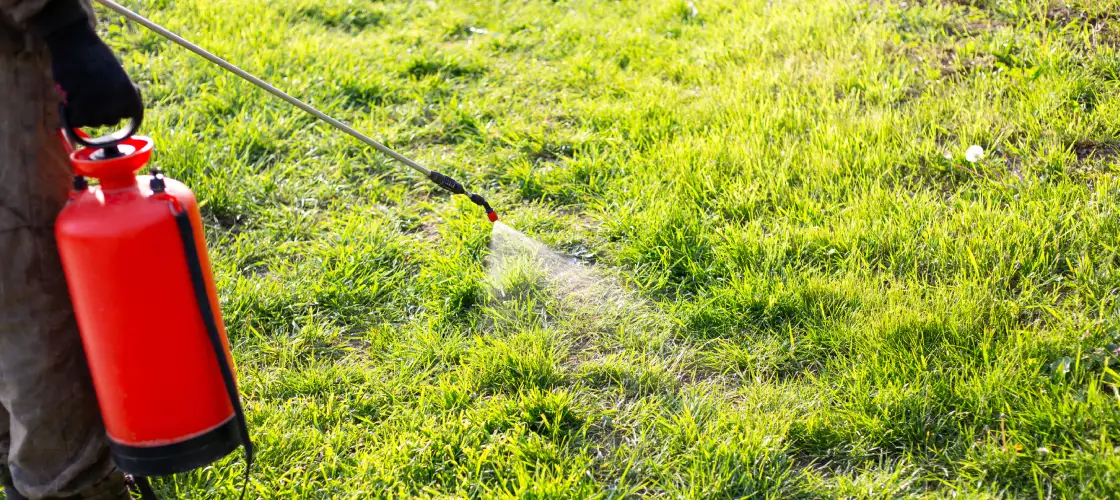
A spring pre-emergent application works best when the timing, lawn conditions, and weather all line up. The goal is to create a protective barrier before crabgrass seeds germinate, which is why applying it too late can reduce results. Watch for these signs before scheduling pre-emergent lawn care in Berks County:
- Forsythia starts blooming
- Soil temperatures move toward 55°F
- The lawn begins waking up from winter
- Crabgrass has not started spreading yet
- Rain or watering is available to activate the treatment
Berks County Weed Control Calendar by Season
A good weed control plan changes as the lawn moves through the year. Spring, summer, and fall each bring different weed problems for Pennsylvania lawns, so one treatment is not enough for steady control. This seasonal calendar can help you understand what your lawn may need at each stage:
- Early spring, March to April: Apply pre-emergent to help prevent crabgrass and other summer annual weeds before they sprout.
- Late spring, May: Spot-treat visible broadleaf weeds like dandelions, clover, and wild violet.
- Summer, June to August: Watch for crabgrass, nutsedge, and weeds that spread in thin or stressed lawn areas.
- Late summer to early fall, August to September: Apply pre-emergent again to help prevent winter annual weeds like Poa annua.
- Fall: Treat stubborn broadleaf weeds and support stronger turf before winter.
The 5 Most Common Lawn Weeds in Southeast Pennsylvania
Different weeds need different treatment timing, which is why lawn care weed control in PA should not treat every weed the same way. Some weeds respond best to prevention, while others need targeted control once they are actively growing. In Berks County and nearby southeast Pennsylvania areas, these are five common weeds homeowners should know.
Crabgrass
Crabgrass is one of the biggest reasons spring pre-emergent matters. It usually appears when soil warms up and thin lawn areas give it room to spread. The best control starts before it germinates, with spring pre-emergent in late March through April and early post-emergent treatment if young plants still appear.
Nutsedge
Nutsedge often looks like fast-growing grass, but it is not regular turfgrass. It tends to grow quickly in warm, moist areas and can stand taller than the lawn soon after mowing. Since pulling it by hand can make the problem worse, nutsedge usually needs targeted treatment while it is actively growing in late spring or summer.
Dandelion
Dandelions are easy to recognize because of their yellow flowers and deep taproots. They often show up in spring and can spread quickly if they are allowed to go to seed. Spot treatment in spring and broadleaf control in fall can help reduce dandelions while thicker turf helps limit future growth.
Clover
Clover can show up in thin lawns and areas where turf is weak or underfed. Some homeowners do not mind it, but it can spread quickly when the grass does not have enough strength to compete. A good clover plan often combines late spring or fall treatment with better lawn nutrition to support thicker grass.
Wild Violet
Wild violet is one of the tougher broadleaf weeds in Pennsylvania lawns because its waxy leaves can make control more difficult. It often needs more than one treatment and may respond better when treated during the fall. Thickening the lawn can also help reduce its ability to spread over time.
Should You Use Weed and Feed in Pennsylvania?
Many homeowners ask when to weed and feed lawn in Pennsylvania, but weed control and fertilization often work better when they are separated. Pre-emergent timing depends on soil temperature, while fertilizer should match the grass’s growth cycle and condition. A professional plan can time each treatment properly, which helps your lawn get better weed control and healthier growth.
A Local Lawn Care Team That Understands Berks County Weeds
Blades of Steel is a local source for homeowners who want reliable lawn care and weed control in Berks County, PA. After introducing the brand once, we focus on helping lawns stay healthier through services like lawn maintenance, weed control, mowing, edging, preventive care, fertilization, aeration, grading, sodding, and seeding. Our goal is to give homeowners a practical way to support thicker grass while reducing weed pressure throughout the season.
We know weeds often show up when the lawn is thin, stressed, compacted, or underfed. That is why our lawn care plan can help improve the turf itself instead of only reacting to weeds after they spread. Whether you need weed control in Reading, PA, weed control in Ephrata, PA, or seasonal lawn support nearby, we can help make your lawn easier to manage.
Get Seasonal Weed Control That Fits Your Berks County Lawn
The best time to apply pre-emergent and weed control in Pennsylvania depends on the season, soil temperature, and the type of weed you want to prevent or treat. For Berks County lawns, spring pre-emergent is especially important for crabgrass, while late summer and early fall treatments can help reduce winter annual weeds. A complete plan can also target dandelion, clover, nutsedge, and wild violet at the right time. Contact us today to schedule lawn care and weed control services for your property.