Tree trimming is usually the right choice when a tree is healthy but needs shaping, clearance, or dead limb removal. Tree removal is the better option when the tree is dead, badly damaged, leaning, decaying, or creating a safety risk. For Berks County homeowners, the decision often comes down to tree health, location, storm risk, cost, and whether trimming can solve the problem safely.
When Tree Trimming Is the Right Choice
Tree trimming is the right choice when a healthy tree needs cleanup, shaping, or safer clearance. It can reduce weak limbs, improve structure, and support better tree care in Shillington, PA, Wernersville, Sinking Spring, and nearby areas. You may need tree trimming if:
Branches touch your roof, siding, garage, or shed
Limbs hang too low over walkways or driveways
Dead or broken branches are still attached
The canopy is too dense
Branches grow too close to structures
The tree looks uneven but the trunk is strong
When Tree Removal Is the Safer Option
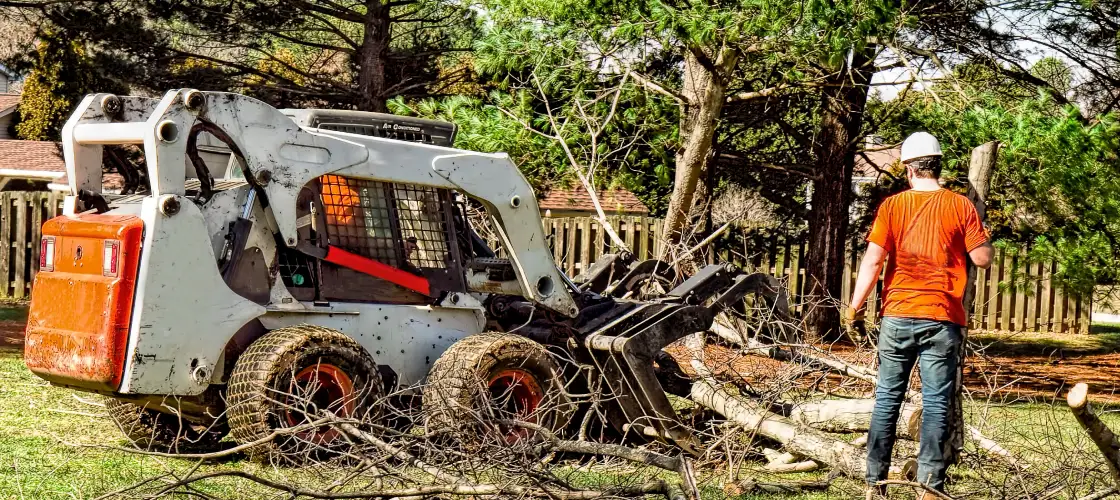
Tree removal is the safer choice when a tree is dead, unstable, or too damaged to recover. If trimming cannot reduce the risk, professional tree removal in Shillington, PA, Sinking Spring, or nearby Berks County areas can help prevent serious property damage. You may need tree removal if:
The tree is dead or mostly dead
The trunk has cracks, cavities, or decay
The tree is leaning more than usual
Roots are lifting nearby surfaces
More than half of the tree looks damaged
Large limbs keep falling after storms
Fungus grows around the base
The tree is too close to a home, utility line, or structure
When Does a Dead Tree Become a Hazard?
A dead tree becomes a hazard when it is hollow, leaning, dropping branches, or too weak to handle wind, snow, and rain. In Berks County, winter weather and summer storms can make these problems worse, especially near homes, driveways, fences, and walkways. If the tree shows decay, exposed roots, falling limbs, or a growing lean, it should be checked before it causes damage.
What Affects Tree Trimming and Tree Removal Costs in Berks County?
Tree trimming and tree removal costs in Berks County depend on the size, condition, location, and difficulty of the job. Trimming often ranges from about $200 to $760 or more, while tree removal can range from $150 to $3,000+ depending on the tree. Smaller trees with easy access usually cost less, while large, damaged, or hard-to-reach trees near homes, fences, driveways, or utility lines often cost more. Stump grinding, hauling, debris removal, and extra equipment can also affect the final price.
Service
Common Cost Range
Tree trimming
$200 to $760+
Small tree removal, under 30 feet
$150 to $500
Medium tree removal, 30 to 60 feet
$500 to $1,500
Large tree removal, over 60 feet
$1,500 to $3,000+
Average tree removal
Around $860, depending on the job
Common cost factors include:
Tree height and width
Branch thickness
Tree condition
Tree location
Access for equipment
Distance from buildings, fences, or wires
Amount of cleanup needed
Stump grinding or stump removal
Emergency or storm damage work
When Is the Best Time to Trim or Remove Trees in PA?
Late winter and early spring are often strong times for pruning many trees in Pennsylvania. During this window, trees are usually dormant, branch structure is easier to see, and pruning can support healthier spring growth. Some trimming can still happen during the growing season, especially when branches are damaged, dangerous, or blocking access.
Fall and winter can also be good times for larger removals. The ground may be firmer, surrounding plant material is less active, and there is often less disruption to the rest of the property. If a tree is dead, split, leaning, or storm-damaged, removal should not wait for the perfect season because safety comes first.
A simple seasonal guide:
Late winter to early spring: Best for many pruning projects
Spring and summer: Good for clearance trimming and storm damage cleanup
Fall: Good time to assess weak, damaged, or declining trees
Winter: Often a safer window for large removals when conditions allow
Any season: Necessary for hazardous trees, hanging limbs, or urgent storm damage
Do You Need a Permit for Tree Removal in Reading or Berks County?
Permit rules for tree removal in Reading and Berks County can vary by borough, township, HOA, and tree location. This matters most when the tree is near a street, public right-of-way, utility line, or local shade tree area. Before scheduling tree removal in Shillington, PA, Sinking Spring, or nearby areas, check with your local office to confirm permit, replacement, or stump removal requirements.
Your Local Source for Tree and Shrub Care in Berks County
Blades of Steelis a local source for tree and shrub care across Berks County. We offer tree trimming, tree removal, stump grinding, and nutrient application to help homeowners manage overgrown limbs, hazardous trees, leftover stumps, and plant health concerns. Whether you need tree services in Wernersville, tree service in Shillington, PA, or nearby support, we can help you choose the right solution for your property.
Choose the Right Tree Service Before the Problem Gets Bigger
Tree trimming helps protect healthy trees, while tree removal is safer for dead, damaged, leaning, or hazardous trees. Professionaltree and shrub services can also include stump grinding when you want a cleaner, safer space after removal. If you are unsure what your tree needs, contact us today to get the right solution for your Berks County property.